
 Buy Crypto
- Markets
 Futures
- Spot
- Copy Trade
- Earn
- More
What is TradeFi in 2026? Exploring Traditional Finance’s Evolution in Crypto

As we move through 2026, TradeFi is reshaping how traditional finance intersects with the crypto landscape. On January 28, 2026, Binance launched the TSLAUSDT perpetual contract, allowing users to trade Tesla stock price movements using USDT without owning actual shares, according to updates from major exchanges. This development highlights the growing fusion of real-world assets with blockchain, driven by innovations like asset tokenization. In this article, we’ll break down what TradeFi means in crypto today, offer insights into its short-term and long-term forecasts, dive into technical analysis of related trends, and provide a market outlook to help beginners navigate opportunities and risks.
Defining TradeFi: Traditional Finance Meets Blockchain in 2026
TradeFi, often confused with its close cousin TradFi, represents a bold evolution in the crypto space. While TradFi stands for Traditional Finance—the centralized system of banks, stock exchanges, and regulators that powers everyday banking and investments—TradeFi flips the script. It’s about transforming abstract values into tradable assets on the blockchain, much like turning lead into gold through financial alchemy. Think of it as blockchain’s way of expanding what counts as an asset: from Bitcoin to NFTs and meme coins, and now to things like trading signals or bot offerings.
In 2026, TradeFi is gaining traction by enabling new business models centered on trading. For instance, users can buy tokens issued by traders to subscribe to real-time trading signals, share in profits through revenue splits, or even fund a trader’s operations with profits distributed on-chain after a set period. This creates on-chain versions of elite institutions, like a blockchain-based Morgan Stanley for signals or a Berkshire Hathaway for trading behaviors. Data from CoinMarketCap, extracted on February 11, 2026, shows increasing market interest in such tokenized assets, with related crypto volumes spiking amid broader adoption.
The core idea here is simple yet powerful. Traditional assets in TradFi are tangible, like stocks or bonds, or standardized derivatives like futures. But in blockchain, if something can be verified, priced, and traded, it becomes an asset. This shift, as noted in industry reports, is pushing boundaries—from income streams to predictive strategies—all turned into circulatable tokens.
How TradeFi Differs from DeFi and CeFi in the Crypto Ecosystem
To grasp TradeFi fully, it’s essential to compare it with other players in crypto finance. DeFi, or Decentralized Finance, runs on blockchain and smart contracts, cutting out middlemen for services like lending or swapping. TradFi, by contrast, relies on centralized institutions with strict regulations, offering stability but at the cost of slower innovation and higher entry barriers.
TradeFi bridges these worlds, often blending with CeFi—Centralized Finance—which combines TradFi’s structure with blockchain for efficiency. A key example is the relationship with RWAs, or Real World Assets. Tokenizing things like real estate or bonds on-chain boosts liquidity, making them accessible to anyone with a wallet. According to a Sygnum industry report from 2026, this trend is accelerating, with predictions of at least three G20 economies adding Bitcoin to national reserves this year, fueled by improving regulations and diversification needs.
What sets TradeFi apart in 2026 is its focus on innovative asset creation. It’s not just about mirroring TradFi products; it’s about inventing new ones. For example, Initial Bot Offerings (IBOs) proposed by platforms like BBT allow bots or algorithms to issue tokens, turning automated trading strategies into investable assets. This expands the crypto market, but it also introduces risks, like higher volatility from speculative bubbles, similar to what we’ve seen with meme coins.
TradeFi Innovations: From Perpetual Contracts to Tokenized Funds
One standout development in 2026 is the rise of perpetual contracts that track real-world prices, like Binance’s TSLAUSDT. This contract maps Tesla’s Nasdaq price to a crypto derivative, using USDT for margins and settlements. It means no need for a U.S. stock account or dealing with taxes—just trade price swings 24/7 with up to 5x leverage. As BlackRock CEO Larry Fink stated in a recent interview, “Asset tokenization will be the core trend for next-generation markets,” underscoring why his firm launched the BUIDL fund, now the largest tokenized money market fund globally, per industry trackers.
These tools democratize access. In TradFi, trading hours are limited, and leverage is hard to get for retail investors. TradeFi changes that by putting financial efficiency on-chain. Stablecoins like USDT act as “internet dollars,” enabling seamless cross-border trades without outdated systems like SWIFT. However, this comes with hidden costs, such as funding rates that balance long and short positions, potentially eating into profits over time.
To illustrate the growth, here’s a quick table of key TradeFi-related metrics from CoinMarketCap data as of February 11, 2026:
| Metric | Value (2026) | Source |
|---|---|---|
| Global RWA Market Cap | $150 billion | CoinMarketCap |
| USDT Trading Volume | $2 trillion daily | CoinMarketCap |
| Tokenized Fund Assets | $50 billion (BUIDL lead) | BlackRock Reports |
| Perpetual Contract Vols | 20% YoY increase | Binance Updates |
This data points to a maturing market where TradeFi is not just hype but a practical upgrade to financial infrastructure.
Risks and Challenges of TradeFi in Crypto for 2026
No discussion of TradeFi would be complete without addressing the downsides. While it lowers barriers, it amplifies risks. The separation of value carriers from strict profit-binding in traditional funds reduces barriers to bad actors, potentially leading to scams or rug pulls, as seen in meme coin histories. Volatility can be extreme; a single tweet from someone like Elon Musk could trigger massive swings in contracts like TSLAUSDT, leading to liquidations.
Regulatory uncertainty looms large too. DeFi faces smart contract vulnerabilities, while TradeFi’s blend with TradFi draws scrutiny. A crypto analyst from Sygnum noted in their 2026 report, “As national reserves eye Bitcoin, regulatory clarity will define TradeFi’s path, balancing innovation with investor protection.” For beginners, the advice is clear: start small, diversify, and use platforms with strong security like WEEX for trading these assets.
Short-Term and Long-Term Forecasts for TradeFi in 2026 and Beyond
Looking short-term, through the rest of 2026, expect TradeFi to boom with more RWA integrations. With institutional players like BlackRock pushing tokenized funds, market caps could hit $200 billion by year-end, based on Sygnum’s projections. Technical analysis shows bullish patterns in related tokens, with moving averages signaling uptrends amid rising adoption.
Long-term, TradeFi could redefine finance by 2030, turning everything quantifiable into assets. Forecasts suggest widespread sovereign adoption of crypto reserves, enhancing stability. However, bubbles are likely, so monitor funding rates and leverage carefully. Actionable insight: If you’re new, focus on established perpetual contracts for practice, and consider staking in tokenized funds for passive gains.
Market Outlook: Opportunities in TradeFi for Crypto Beginners
The outlook for TradeFi in crypto is optimistic but cautious. As blockchain absorbs TradFi elements, expect more efficient markets with lower costs. For investors, this means better access to global assets via a single wallet. Yet, with high leverage comes high risk—always set stop-losses and avoid overexposure.
In my experience as a crypto trader, the real edge comes from understanding these fusions. TradeFi isn’t about replacing TradFi; it’s about enhancing it. By staying informed on developments like IBOs, you can spot trading opportunities early.
FAQ: Common Questions About TradeFi in Crypto 2026
What is TradeFi in crypto?
TradeFi in crypto refers to the innovative blending of traditional finance principles with blockchain to create new asset classes, like tokenized trading signals or perpetual contracts. It’s distinct from TradFi by focusing on on-chain efficiency and asset expansion, as seen in 2026 developments like Binance’s TSLAUSDT.
How does TradeFi differ from DeFi in 2026?
TradeFi often incorporates centralized elements for stability while using blockchain for innovation, unlike fully decentralized DeFi. In 2026, TradeFi emphasizes RWAs and perpetual contracts, providing regulated access points that DeFi’s pure smart contracts might lack in oversight.
What are the risks of TradeFi in crypto for 2026?
Key risks include high volatility from speculative trading and potential for scams due to abstracted value carriers. As per 2026 reports from Sygnum, regulatory changes could add uncertainty, so beginners should prioritize secure platforms and diversify investments.
Is TradeFi the future of finance in 2026?
Yes, with trends like asset tokenization gaining steam, TradeFi is poised to integrate more real-world assets into crypto. BlackRock’s BUIDL fund exemplifies this, suggesting long-term growth in efficient, borderless finance.
What is TradFi vs TradeFi in the 2026 crypto market?
TradFi is the centralized traditional finance system, while TradeFi innovates by turning abstract concepts into blockchain assets. In 2026, TradeFi builds on TradFi by enabling 24/7 trading and leverage, as in perpetual contracts tracking stocks like Tesla.
How can beginners start with TradeFi in crypto 2026?
Begin by exploring user-friendly exchanges for perpetual contracts or tokenized funds. Use small investments to learn, monitor market news, and consider educational resources to understand leverage and risks in this evolving space.
As 2026 unfolds, TradeFi stands out as a bridge that’s making finance more inclusive, though not without its sharp edges. From my years trading crypto, I’ve seen how these shifts create real opportunities—if approached with caution. Keep an eye on institutional moves; they often signal where the smart money goes next.
DISCLAIMER: WEEX and affiliates provide digital asset exchange services, including derivatives and margin trading, only where legal and for eligible users. All content is general information, not financial advice-seek independent advice before trading. Cryptocurrency trading is high risk and may result in total loss. By using WEEX services you accept all related risks and terms. Never invest more than you can afford to lose. See our Terms of Use and Risk Disclosure for details.
You may also like

Introducing Zcash ($ZEC): Protocol Updates and Price Prediction
Zcash is a decentralized cryptocurrency focused on privacy and anonymity. $ZEC has hit everyone’s attention recently.
What is SMC Factory (SMCF) Coin: Everything You Need to Know
SMC Factory (SMCF) is a meme coin inspired by the concept of factory-style production of meme tokens, originating…
Oil Tokenization: Models, Risks, and Real Market Use Cases in 2026
Oil Tokenization is turning crude oil exposure into digital assets, but in 2026 the real divide is between credible, auditable structures and speculative oil-linked tokens with weak backing.

Tether Gold (XAUT): What It Is, How It Works, and Key Risks
What is Tether Gold (XAUT)? Learn how this tokenized gold works on Ethereum, Tron, and BNB Chain, plus fees, reserves, risks, and XAUT vs PAXG.
How to Buy Russian Oil Asset Reserve (ROAR) Crypto: 2026 Step-by-Step Guide
Learn how to buy Russian Oil Asset Reserve (ROAR) crypto on Solana DEXs. Step-by-step guide with contract address, wallet setup, risks, and safety tips.

What is Russian Oil Asset Reserve (ROAR): Is ROAR Crypto Legitimate or a Scam?
What is Russian Oil Asset Reserve (ROAR) crypto? We analyze the Solana meme coin tied to oil narratives, tokenomics, risks, and whether it has real backing.
Russian Oil Asset Reserve (ROAR): Is ROAR Crypto a Hype?
What is Russian Oil Asset Reserve (ROAR) crypto? We analyze the Solana meme coin tied to oil narratives, tokenomics, risks, and whether it has real backing.

What is イロハ (IROHA) Coin: Everything You Need to Know
イロハ (IROHA) is a community-driven meme token on the Solana blockchain, inspired by cultural themes and aiming to…
What is iShares MSCI India (INDAON) Coin
iShares MSCI India (INDAON) is a tokenized version of the iShares MSCI India ETF, created by Ondo Finance…
What is Build N Build (共建) Coin? Everything You Need to Know
Build N Build (共建) Coin represents a community-driven token on the Binance Smart Chain, inspired by a tweet…
What is iShares MSCI EAFE Tokenized ETF (Ondo) (EFAON) Coin
iShares MSCI EAFE Tokenized ETF (Ondo) (EFAON) Introduction iShares MSCI EAFE Tokenized ETF (Ondo) (EFAON) is a tokenized…

WEEX OFC Airdrop Guide: Claim Your New User Bonus and OFC Rewards
Discover how to participate in the WEEX OFC airdrop event from April 9 to April 15, 2026. This guide covers how to maximize your new user bonus, claim free rewards through spot trade tasks, and optimize your trading fees on one of the fastest-growing crypto exchanges.
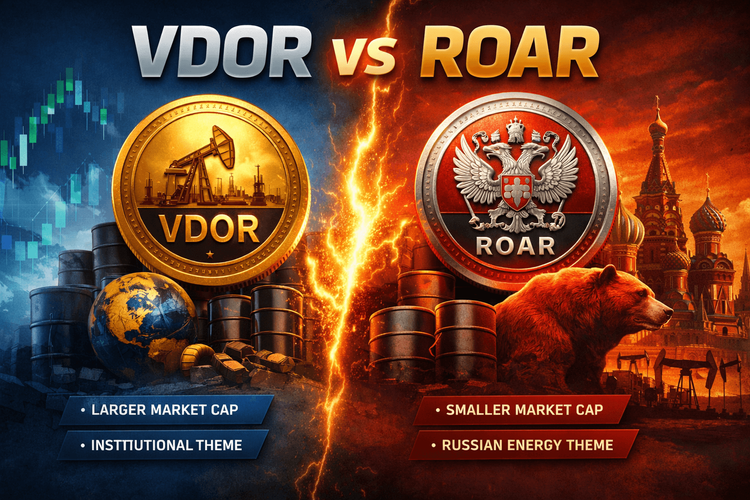
VDOR vs ROAR: Which Oil-Theme Crypto Token Looks Stronger in 2026?
VDOR vs ROAR explained with the latest market data, contract addresses, legitimacy checks, token differences, and which oil-theme crypto looks stronger in 2026.

Is Russian Oil Asset Reserve (ROAR) Legitimate or a Scam?
Is Russian Oil Asset Reserve (ROAR) legitimate? Read the latest ROAR legitimacy check, official contract address, market data, risks, and expert verdict.
What is OneFootball Credits (OFC) Coin
OneFootball Credits (OFC) is a utility token designed to fuel a global fan economy in the football world,…
Where Can I Buy ROAR Crypto? Step-by-Step Guide and Insights
ROAR crypto, the token behind the Russian Oil Asset Reserve project, has caught attention amid shifting global energy…

OneFootball Credits (OFC) Price Prediction & Forecasts for April 2026: Up 8% in 24 Hours Amid Rising Trading Volume
As of April 9, 2026, OneFootball Credits (OFC) is trading at $0.168229 USD, according to data from CoinMarketCap.…

Is Russian Oil Asset Reserve (ROAR) a Good Investment in 2026? Latest Price, Risks, and Everything Buyers Should Know
Is Russian Oil Asset Reserve (ROAR) a good investment? Explore the latest ROAR price, market cap, risks, Solana token details, and expert verdict.
Introducing Zcash ($ZEC): Protocol Updates and Price Prediction
Zcash is a decentralized cryptocurrency focused on privacy and anonymity. $ZEC has hit everyone’s attention recently.
What is SMC Factory (SMCF) Coin: Everything You Need to Know
SMC Factory (SMCF) is a meme coin inspired by the concept of factory-style production of meme tokens, originating…
Oil Tokenization: Models, Risks, and Real Market Use Cases in 2026
Oil Tokenization is turning crude oil exposure into digital assets, but in 2026 the real divide is between credible, auditable structures and speculative oil-linked tokens with weak backing.
Tether Gold (XAUT): What It Is, How It Works, and Key Risks
What is Tether Gold (XAUT)? Learn how this tokenized gold works on Ethereum, Tron, and BNB Chain, plus fees, reserves, risks, and XAUT vs PAXG.
How to Buy Russian Oil Asset Reserve (ROAR) Crypto: 2026 Step-by-Step Guide
Learn how to buy Russian Oil Asset Reserve (ROAR) crypto on Solana DEXs. Step-by-step guide with contract address, wallet setup, risks, and safety tips.
What is Russian Oil Asset Reserve (ROAR): Is ROAR Crypto Legitimate or a Scam?
What is Russian Oil Asset Reserve (ROAR) crypto? We analyze the Solana meme coin tied to oil narratives, tokenomics, risks, and whether it has real backing.


 App
App